Following the staggered strikes at the Mexico City Metro that caused delays and overcrowding on several lines, the 'Collective for Better Mobility' held both the capital's government and the workers' union responsible for the deterioration of the service. In a statement released on April 13, the group launched harsh criticisms and demanded the resignation of various officials, considering that the transportation crisis is the result of years of structural neglect.
Collective accuses corruption and demands resignations
The collective pointed out that the 'deplorable and abandoned' state of the Metro is the direct responsibility of the government, but also of the National Union of Workers of the Collective Transportation System (STC), which it described as part of the problem. 'The union is part of the same political system in power,' the document stated. If the STC Metro is in a state of neglect, it is because both the government and the union use it as a petty cash fund.
Position of the collective regarding the labor strike today.
Furthermore, the collective proposed canceling the FIFA World Cup in the city until adequate infrastructure and safety conditions are guaranteed.
Strikes and failures evidence an operational crisis
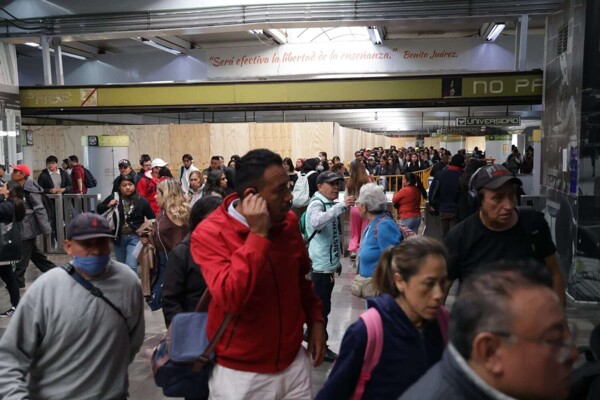
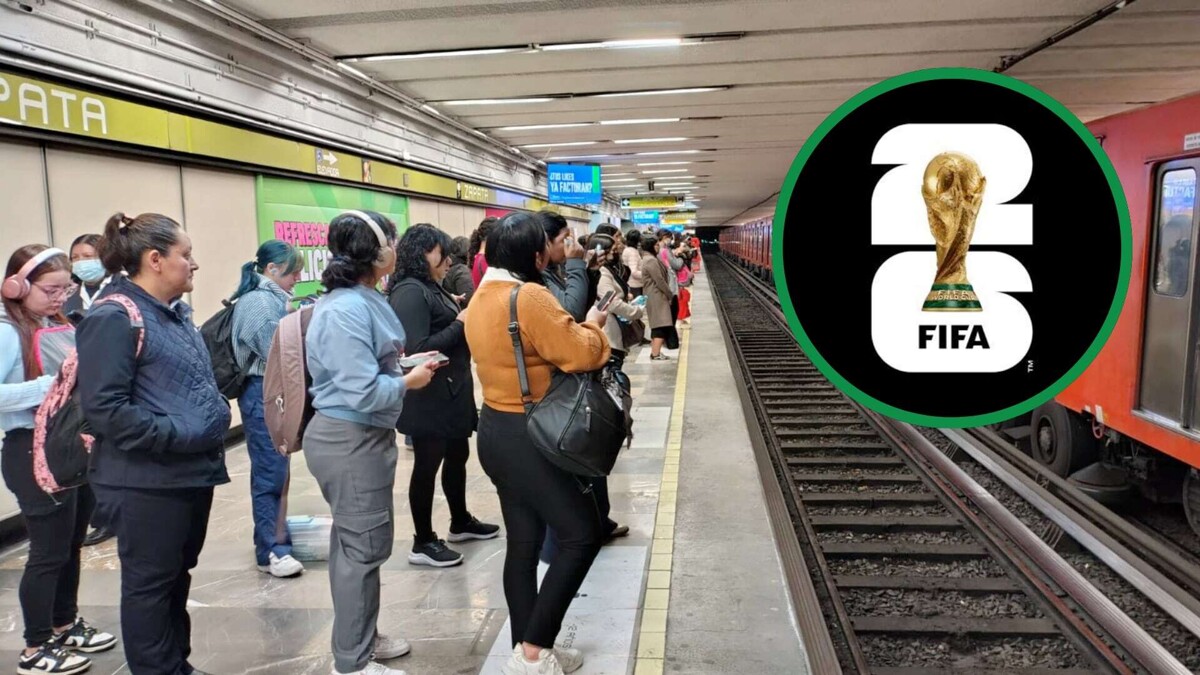
In turn, the union justified the strikes as a measure to demand better labor and operational conditions. In its statement, it assured that it will continue to 'raise its voice' in the face of the government's lack of attention to urgent demands. The union maintained that the situation 'puts the safety, time, and quality of life' of millions of users who depend on the Metro daily at risk. In its position, it accused its leadership of 'distorting the union struggle' and calling for strikes that mainly affect users. It also denounced practices such as lack of maintenance, theft of infrastructure, and internal corruption, as well as serious operational irregularities in the system. Among the data presented, it highlighted that 70% of the trains have not received general maintenance. The strike caused disruptions on lines 1, 3, 4, 7, 9, and 12, with low frequency and saturated stations.